
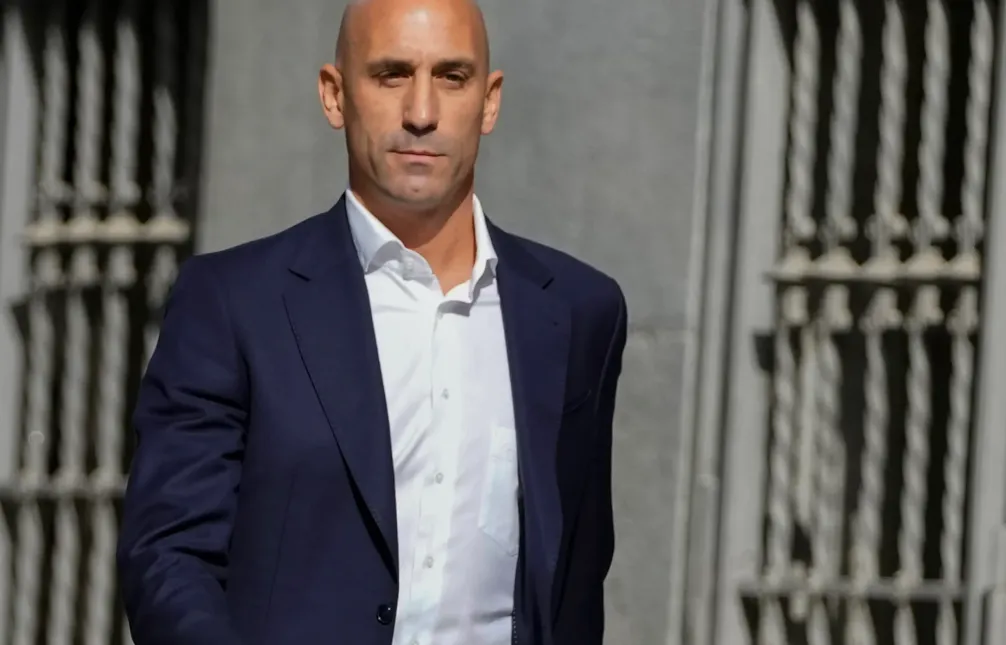
The Spanish football landscape was rocked by a watershed moment as the country’s highest court delivered its final verdict in the Luis Rubiales sexual assault case, upholding the former Spanish Football Federation president’s conviction. This landmark decision marks the culmination of a saga that began with an unwanted kiss during the Women’s World Cup victory celebrations, sparking global outrage and fundamentally changing conversations about consent and power dynamics in sports.
The ruling, announced from Madrid’s Tribunal Supremo, has sent shockwaves through the football community and reaffirmed Spain’s commitment to holding powerful figures accountable. For fans and analysts following this case closely, the court’s decision represents more than just a legal outcome—it’s a defining moment for the sport’s governance and gender relations.
The Incident That Changed Everything
What Happened During the World Cup Celebrations
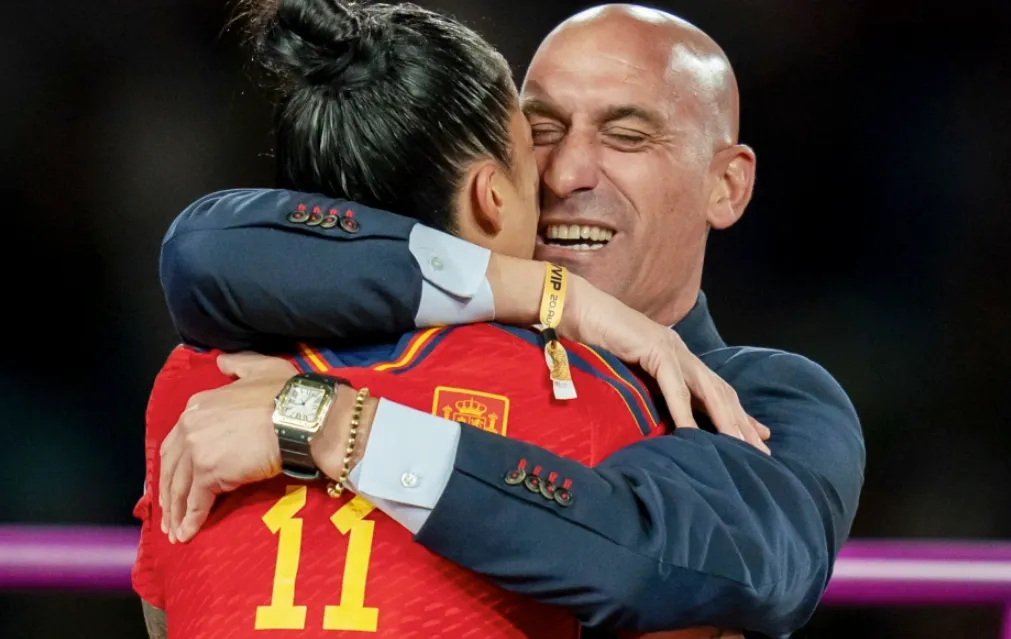
The controversy erupted on August 20, 2023, during the Women’s World Cup final medal ceremony in Sydney, Australia. Spain’s national women’s team had just defeated England 1-0 to claim their first World Cup title, a historic achievement that should have been a moment of pure celebration. However, during the medal presentation, then-Federation President Luis Rubiales grabbed player Jenni Hermoso’s head and kissed her on the lips without her consent.
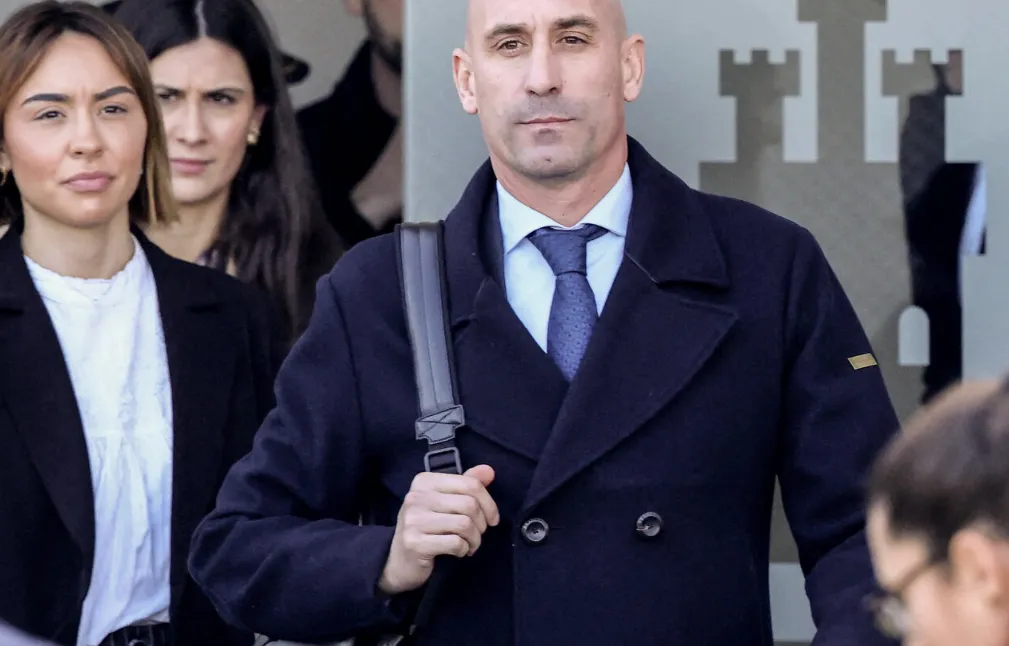
The moment was captured by cameras and broadcast worldwide, instantly becoming a flashpoint for discussions about sexism and abuse of power in football. What many initially dismissed as a spontaneous gesture of celebration was quickly reframed by Hermoso and her teammates as a non-consensual act that violated her personal boundaries.
Immediate Reactions and Fallout
Within hours of the incident, social media exploded with criticism. Players, journalists, and fans demanded accountability. Hermoso initially appeared to downplay the incident in a statement released through the federation, but she later clarified that she felt pressured to make that statement and had not consented to the kiss.
The Spanish women’s national team players, including all 23 World Cup winners, issued a collective statement refusing to play unless Rubiales was removed from his position. This unified stance demonstrated the depth of feeling and the systemic issues they believed the incident represented.
The Legal Proceedings
Initial Investigation and Charges
Spanish prosecutors opened an investigation into Rubiales’ conduct, examining whether the kiss constituted sexual assault under Spanish law. The legal framework in Spain, updated through the “Only Yes Means Yes” legislation passed in 2022, defines sexual assault broadly, including non-consensual kisses, and carries potential penalties including fines and restraining orders.
The investigation revealed additional allegations against Rubiales, including claims of inappropriate touching during the celebration and a pattern of behavior that witnesses described as “inappropriate” and “controlling.”
The Trial Process
The trial, which took place in a Madrid court, featured testimony from Hermoso, her teammates, federation officials, and expert witnesses. The prosecution argued that Rubiales’ position of power over Hermoso made the incident particularly egregious, as he was the most powerful figure in Spanish football at the time.
Defense lawyers attempted to characterize the kiss as a “spontaneous gesture of celebration” and argued that it was mutual. However, video evidence and witness testimony contradicted this narrative, showing Hermoso’s apparent discomfort and her teammates’ immediate negative reactions.
The Original Conviction
The lower court found Rubiales guilty of sexual assault, ruling that the kiss was non-consensual and constituted a criminal act. The sentence included a fine and a restraining order prohibiting Rubiales from contacting Hermoso, along with a period of probation. Crucially, the court also banned him from holding any position in Spanish football for a period of several years.
The Supreme Court Appeal
Rubiales’ Legal Arguments
Rubiales appealed the conviction, arguing that the lower court had misinterpreted the law and that the kiss did not meet the legal threshold for sexual assault. His legal team presented arguments suggesting that the incident occurred in a celebratory context and that Hermoso’s initial statement had indicated no objection.
However, the Supreme Court justices dismissed these arguments, noting that the video evidence clearly showed Hermoso’s lack of consent and that her subsequent statements, even if initially ambiguous, could not override the clear visual evidence of her resistance.
The Upholding of Conviction
In its ruling, the Supreme Court stated that “the evidence presented at trial was sufficient to establish that the defendant committed an act of sexual assault without the consent of the victim.” The court emphasized that consent must be freely given and can be withdrawn at any moment, principles central to Spain’s modern sexual assault legislation.
The justices also addressed the power imbalance between Rubiales and Hermoso, noting that his position as federation president created a dynamic where consent could not be freely given. This aspect of the ruling has significant implications for how similar cases might be handled in the future, particularly in workplace and organizational contexts.
Impact on Spanish Football
Resignation and FIFA Suspension
Following the initial outcry, FIFA suspended Rubiales from all football-related activities pending the outcome of its own investigation. Under mounting pressure from the Spanish government, players, and international football community, Rubiales eventually resigned from his position as president of the Royal Spanish Football Federation (RFEF).
His resignation came after weeks of defiance, during which he repeatedly refused to step down and even received support from some male players and coaches. The women’s team’s unwavering solidarity ultimately forced his departure, demonstrating the growing influence of women’s football in demanding institutional change.
Reforms Within the Federation
The Rubiales scandal prompted a comprehensive review of governance practices within the RFEF. New leadership implemented policies aimed at preventing abuse of power and ensuring that all employees and players are treated with respect. These reforms included mandatory consent training, anonymous reporting mechanisms, and clear guidelines for conduct during official events.
The federation also committed to equal pay for the men’s and women’s national teams, a significant step that had been long demanded by players. The World Cup victory and subsequent scandal accelerated these conversations, leading to concrete changes in how the federation operates.
Broader Social Implications
The “Only Yes Means Yes” Law
The case became a test case for Spain’s “Only Yes Means Yes” law, which explicitly defines consent as affirmative and freely given. Legal experts, including Dr. Maria Santos, a professor of criminal law at the University of Barcelona, commented on the significance: “This ruling confirms that the ‘Only Yes Means Yes’ framework works as intended. Consent cannot be assumed, especially when there is a clear power imbalance between the parties involved.”
The law, which had faced criticism and confusion since its enactment, received validation through this high-profile case. The Supreme Court‘s interpretation of the statute provided clarity for lower courts handling similar cases and sent a strong message about societal expectations regarding consent.
Conversations About Power Dynamics
The Rubiales case sparked unprecedented conversations about power dynamics in sports organizations worldwide. Many former players and staff members came forward with their own experiences of inappropriate behavior by officials, leading to investigations at multiple football federations globally.
Sports psychologist Dr. James Carter, who has worked with several national football federations, explained the broader implications: “What happened in Spain wasn’t an isolated incident—it was a symptom of a culture where those in power felt they could act without consequences. This ruling changes that calculus and gives courage to others to speak up.”
What This Means for the Future
Precedent for Similar Cases
Legal experts anticipate that this ruling will influence how courts approach similar cases worldwide. The careful consideration of power dynamics, the importance of video evidence, and the emphasis on affirmative consent provide a template for prosecutors in other jurisdictions dealing with comparable situations.
International sports lawyer Amanda Williams noted: “Sports organizations around the world will be reviewing their policies after this case. The message is clear: those in positions of authority cannot use their power to exploit others, and courts will hold them accountable.”
Continued Impact on Women’s Football
The case has energized the women’s football movement, with players feeling more empowered to demand respect and equality. The Spanish women’s national team, which continued to perform at an elite level despite the turmoil, has become a symbol of resilience and unity.
Fans have rallied behind the players, with attendance at women’s matches increasing and sponsorship deals growing. The scandal, while damaging to Spain’s reputation initially, ultimately strengthened the women’s game by forcing fundamental changes in how female players are treated.
Expert Analysis and Predictions
What Football Analysts Are Saying
Veteran football journalist Carlos Mendez offered his perspective: “This is not just a legal victory for Jenni Hermoso; it’s a victory for every woman who has faced harassment in sports. The Rubiales ruling shows that the old boys’ club mentality is finally being dismantled, and that’s good for the health of the game.”
Former international referee and current sports commentator Laura Garcia added: “For years, we’ve heard about the ‘football family’ protecting its own. This case proves that protection has limits and that no one is above the law, regardless of their position in the sport.”
Predictions for Sports Governance
Looking ahead, analysts predict that football federations will implement stricter codes of conduct and more rigorous background checks for officials. The Rubiales case has become a cautionary tale referenced in boardrooms across the global football community.
Governance expert Professor David Thompson of the London School of Sports Management predicts: “We’ll see a wave of reforms in the next few years. Federations that don’t adapt will face legal challenges and reputational damage. The Rubiales case has set a new standard for accountability.”
Conclusion
The Spanish Supreme Court’s decision to uphold Luis Rubiales’ conviction for sexual assault represents a defining moment in football history. From the World Cup celebration that turned into a scandal, through the legal battles, player solidarity, and ultimate accountability, this case has fundamentally changed how the sport addresses issues of consent and power.
As we reflect on this landmark ruling, it’s clear that the lessons learned extend far beyond one man’s actions. The Luis Rubiales case has reshaped the conversation around consent in sports and provided a powerful example of justice prevailing even against powerful figures.
Fans, players, and administrators alike must continue to advocate for safe, respectful environments in sports. What are your thoughts on this historic ruling? Do you believe this will create lasting change in football governance? Share your perspective in the comments below, and join the conversation on social media by using #RubialesVerdict.
For more in-depth Jeetbuzz analysis of sports law and its impact on football, explore our other articles on the evolving landscape of modern sports governance. Stay informed, stay engaged, and help us continue these important conversations about the future of the beautiful game.
