
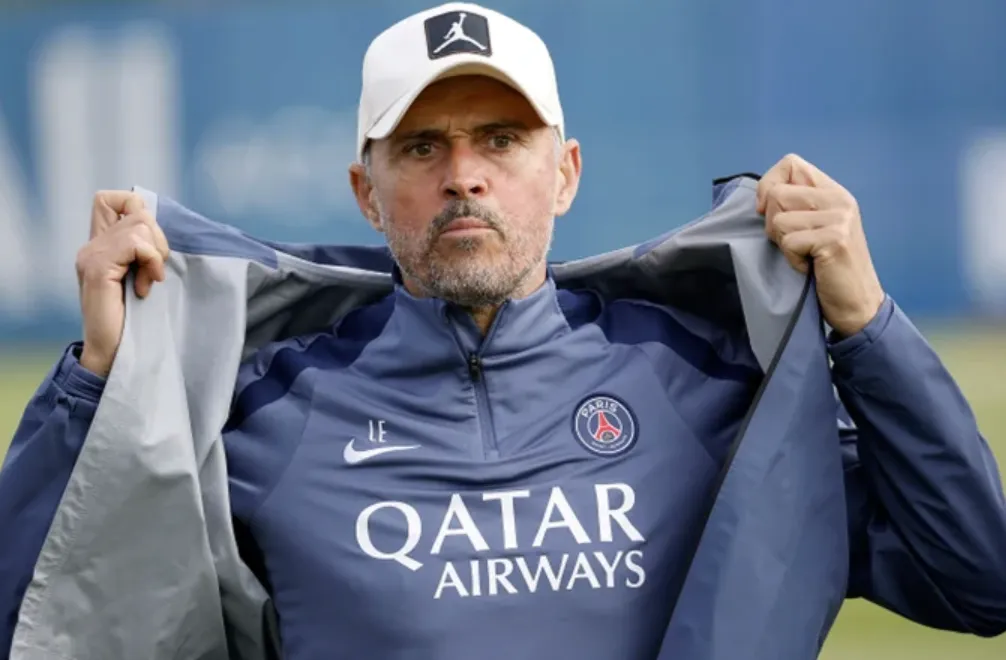
In the high-stakes world of European football, Paris Saint-Germain has often been synonymous with star power—think Neymar, Kylian Mbappé, and Lionel Messi lighting up the pitch with jaw-dropping individual moments. But under the guidance of head coach Luis Enrique, a quiet revolution is taking place in the French capital. The Spanish tactician, known for his relentless focus on collective effort and tactical discipline, is shifting the narrative at PSG from “galácticos” to a cohesive, hardworking unit. Recent performances suggest that this approach, prioritizing teamwork over individual flair, is not just a philosophy but a winning formula. According to the team’s latest outings and internal insights from Jeetbuzz, Enrique’s methods are yielding impressive results, proving that a strong team ethic can outshine even the brightest stars.
Who Is Luis Enrique and What’s His Vision for PSG?
Luis Enrique Martínez García, or simply Luis Enrique, is no stranger to success. The former Barcelona boss led the Catalan giants to a historic treble in 2015, blending an attacking philosophy with a watertight defensive structure. Now at PSG, he inherits a squad loaded with talent but plagued by inconsistency and a reputation for relying on individual magic rather than collective grit. His vision? To transform PSG into a machine where no single player is bigger than the team.
Shifting Away from the “Star System”
For years, PSG has been scrutinized for its over-reliance on marquee names. From Zlatan Ibrahimović to the “MNM” trio of Mbappé, Neymar, and Messi, the club often seemed geared towards showcasing individual brilliance. However, Enrique is systematically dismantling this stereotype. In his system, every player—from the backup defender to the star striker—must fulfill specific tactical duties. This is not just about winning matches; it’s about building a sustainable identity.
Enrique’s team preparation emphasizes pressing triggers, quick transitions, and a high defensive line that requires absolute commitment from all eleven players. As one insider shared with Jeetbuzz, “He doesn’t care about your name or your paycheck. If you don’t press, you don’t play.” This tough-love approach is fostering a new culture at PSG.
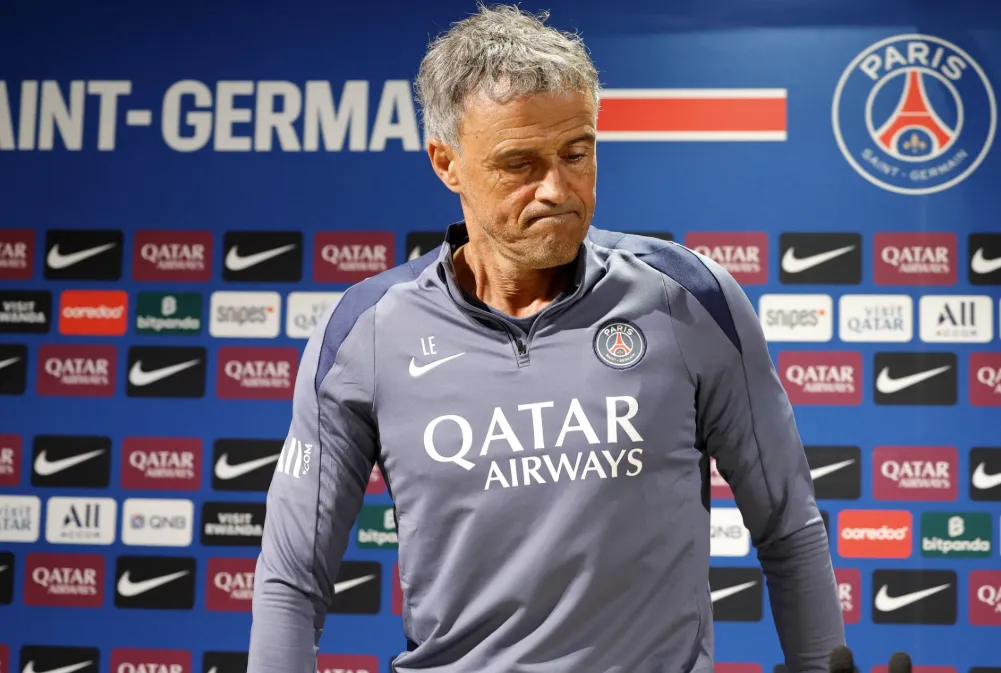
The Key to Enrique’s Success: A Strong Team Ethic
Why is a team ethic so vital for PSG’s current resurgence? The answer lies in the data and performances. Under Enrique, PSG has shown a remarkable ability to grind out results even when not at their best. They are no longer just a team waiting for a moment of genius; they are a team that controls games through structure and effort.
Tactical Discipline Over Individual Flair
One of the most noticeable changes is the defensive solidity. Previously, PSG could be vulnerable on the counter-attack because their forwards often didn’t track back. Now, the entire team presses in a coordinated block. This requires exceptional fitness and mental toughness. For instance, in recent Ligue 1 matches, the team has conceded fewer goals from open play, a direct result of a collective defensive mindset.
The midfield has also become a battleground for work rate. Players like Warren Zaïre-Emery and Manuel Ugarte have thrived because they embody the “team-first” mentality. They run, tackle, and pass with purpose, often sacrificing personal glory for the team’s shape. Enrique has been vocal about this, stating that “football is a collective sport, and our defensive work sets the stage for our attack.”
Building Chemistry Through Hard Work
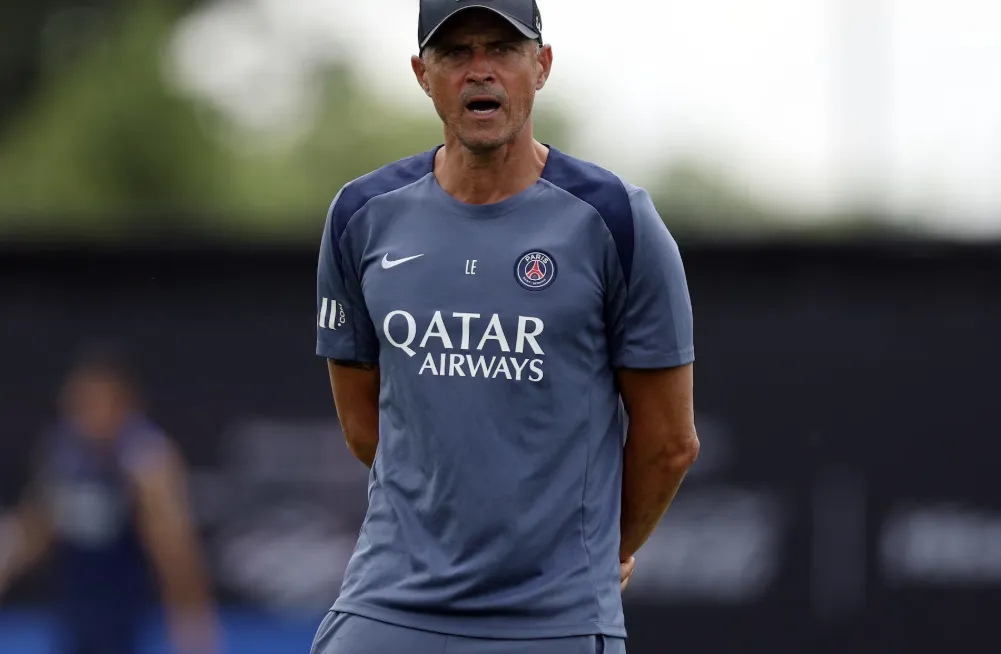
The training ground at Camp des Loges has seen a significant shift. Sessions are now heavily focused on positional play and small-sided games that force quick decision-making and communication. This has allowed newer signings to integrate faster. The team’s chemistry is palpable; passes are crisper, runs are more intelligent, and the overall fluidity is improved. It’s a testament to Enrique‘s ability to instill belief in his system.
Tactical Analysis: How PSG’s Game Has Evolved
To truly appreciate the impact of Luis Enrique’s ethos, we need a deeper dive into the tactical nuances. His system is flexible, but the core principles remain constant.
The High Press and Defensive Line
Enrique employs a 4-3-3 formation that often morphs into a 2-3-5 in possession. But what stands out is the aggressive press after losing the ball. The front three cut off passing lanes, forcing opponents into mistakes. The full-backs, like Achraf Hakimi and Nuno Mendes, are asked to push high up the pitch, leaving the center-backs exposed if the press is bypassed. This demands immense courage and concentration from the defenders.
The risk pays off. When the press works, PSG recovers the ball in dangerous positions, leading to quick counter-attacks. This is a high-risk, high-reward strategy that requires every player to be in sync. It’s a textbook example of how team work can neutralize superior individual talent.
Midfield Control: The Engine of the Team
The midfield trio is the heart of Enrique‘s setup. Vitinha and Kang-in Lee have become key figures due to their ability to retain possession under pressure and break lines with vertical passes. They are not flashy but are incredibly effective. Their role is to dictate tempo, not to dribble past three defenders.
Meanwhile, the unsung heroes are the players off the ball. Their movement, interceptions, and positioning make the system work. This creates a positive cycle: hard work leads to better possession, which leads to more chances, and eventually, victory.
Comparing to Historical Precedents: Guardiola’s Barcelona?
There are inevitable comparisons to Enrique‘s tenure at Barcelona, where he inherited a team from Pep Guardiola. The similarities are clear: both coaches prioritize ball circulation, high pressing, and a strong team structure. However, the context at PSG is different. The French league is more physical, and European competitions require even greater resilience.
Where Enrique has arguably improved is in his man-management. At PSG, he has to handle diverse egos from different footballing cultures. His ability to bench a superstar if they don’t commit to the defensive work shows a level of authority that was sometimes questioned during his time at Barcelona. This is a key difference. He is not just a tactician; he is a cultural architect.
Player Spotlights: Rising to the Challenge
Several players have flourished under this new regime. Let’s look at a few standouts who embody the “team ethic” philosophy.
Warren Zaïre-Emery: The Young Warrior
At just 18 years old, Warren Zaïre-Emery has become invaluable. His ability to break up play and then start attacks is reminiscent of a veteran. He doesn’t play for minutes; he plays on merit. His discipline in maintaining the team’s shape is astonishing for his age. He is the perfect poster child for Enrique‘s project—a player who puts the team before his own highlight reel.
Kylian Mbappé: Adaptation and Sacrifice
Even Kylian Mbappé, the team’s talisman, has adapted. While he still produces moments of brilliance, his off-ball work has improved noticeably. He closes down defenders and makes runs that drag opponents out of position, allowing teammates to score. This evolution from a “star” to a “team player” is a huge win for Enrique. It shows that the coach’s influence is reaching even the biggest names.
Future Predictions: Can PSG Win the Champions League?
This is the ultimate question. PSG has always had the talent to win the Champions League, but they lacked the mentality and structure. Now, with Luis Enrique‘s system, they have the foundation.
Strengthening the Squad in Key Areas
While the team ethic is strong, certain positions could improve. The defensive depth could be bolstered, and a more clinical striker to supplement Mbappé would help in tight games. However, Jeetbuzz sources suggest that Enrique is focusing on internal development rather than just splashing cash in the transfer market. He believes in growth through the system.
The team’s performance in the group stage of the Champions League will be a litmus test. If they can maintain this collective spirit against top-tier opposition like Manchester City or Bayern Munich, they have a genuine chance. The key will be the mental resilience to stick to the plan when faced with adversity.
Conclusion: # Luis Enrique PSG: A New Era of Teamwork
In conclusion, Luis Enrique is successfully revolutionizing Paris Saint-Germain by placing a strong team ethic above individuality. Through tactical discipline, relentless pressing, and a focus on collective duty, he has transformed the club’s identity. Gone are the days of relying solely on star power; now, every player is a cog in a well-oiled machine. This approach has not only improved performances but also built a sustainable model for future success.
The journey is far from over. European glory still waits on the horizon. But one thing is clear: under Luis Enrique, PSG is no longer just a collection of superstars. They are a team. And in modern football, that is the most powerful weapon of all.
What are your thoughts on Luis Enrique’s tactics at PSG? Do you think this team ethic can lead them to a Champions League trophy? Share your opinions in the comments below! And if you enjoyed this analysis, don’t forget to share it with your fellow football fans. For more exclusive insights and the latest updates on European football, stay tuned to Jeetbuzz where we bring you unique perspectives and breaking news. Explore our other articles to dive deeper into the beautiful game!
