
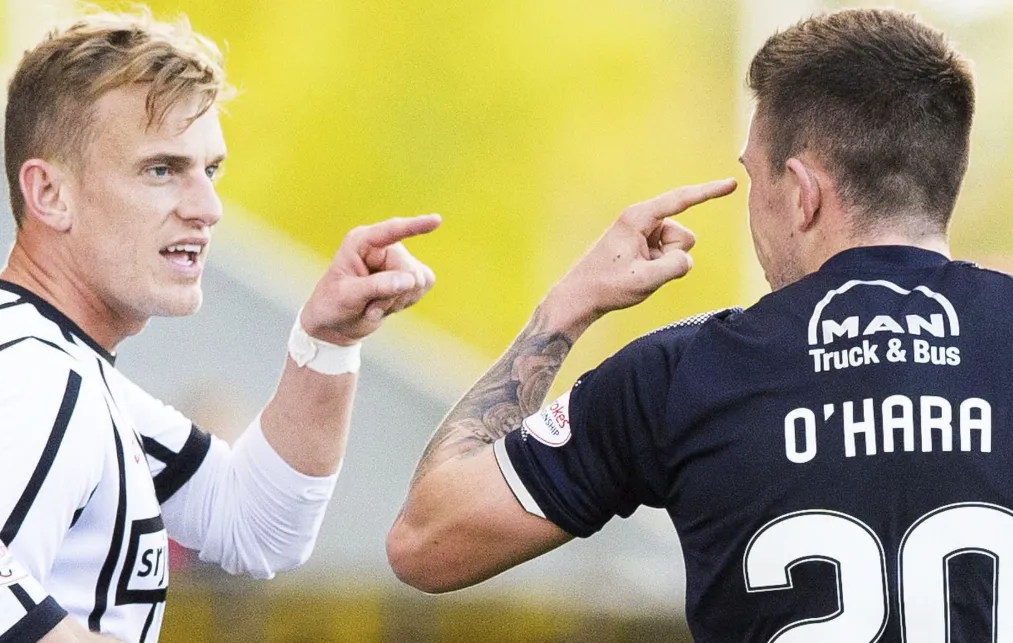
In a development that has sent shockwaves through Scottish football, Falkirk striker Kevin O’Hara has been handed an eight-game suspension following an incident where he allegedly directed insults at Airdrieonians manager Dean Shiels, specifically targeting the manager’s missing eye. This incident has ignited discussions about respect, sportsmanship, and the boundaries of on-field conduct in the modern game. As reported by Jeetbuzz, the governing body’s decision underscores a zero-tolerance approach to personal attacks, particularly those targeting physical disabilities.
The controversy, which unfolded during a heated League One clash, has left fans and pundits debating the severity of the punishment and the broader implications for player behavior. For those following the twists and turns of Scottish football, this story serves as a stark reminder of the emotional intensity that can sometimes spill over into unacceptable territory. Let’s dive deep into the details, the fallout, and what this means for the future.
The Incident: What Happened on the Pitch?
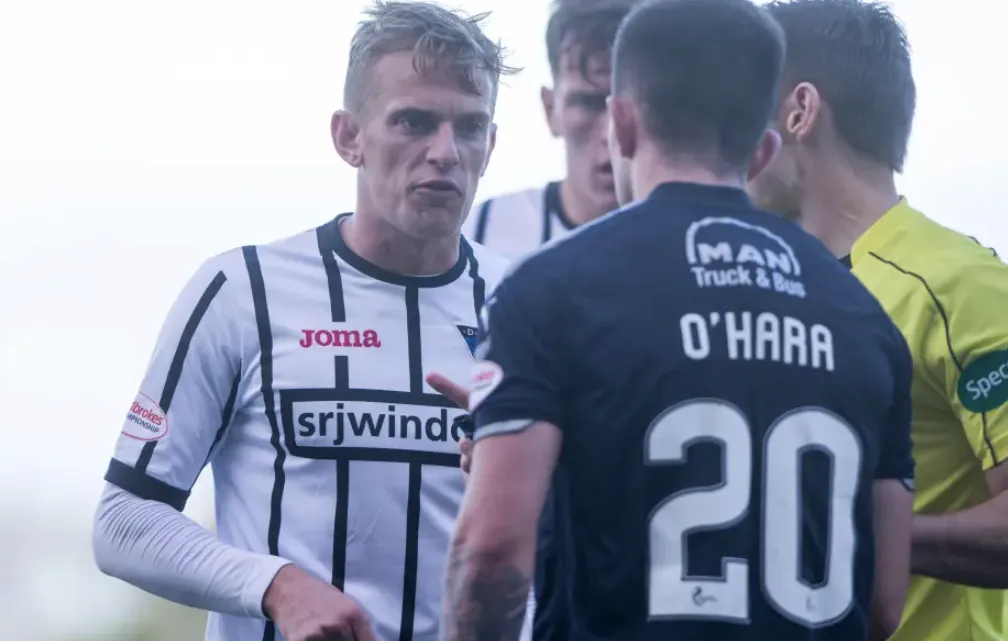
The altercation took place during a fiercely contested Scottish League One match between Falkirk and Airdrieonians. As the game reached its climax, tensions boiled over, leading to a verbal exchange that would ultimately define the post-match headlines. According to eyewitness accounts and match reports, O’Hara directed a derogatory remark at Shiels, referencing the manager’s visually impaired eye—a condition Shiels has lived with since childhood after losing an eye to cancer.
The Specifics of the Abuse
The insult was reportedly aimed at undermining Shiels’ authority and exploiting a personal vulnerability. In the heat of the moment, O’Hara’s words crossed a line that many in the football community consider sacred: respecting an individual’s physical challenges. The Scottish Football Association (SFA) took a firm stance, launching an investigation that culminated in the lengthy ban.
Immediate Reactions from the Dugout
Dean Shiels, known for his calm demeanor, addressed the media after the match, expressing disappointment rather than anger. “It’s not just about me,” Shiels stated. “It’s about setting an example for younger players and showing that football should be a welcoming environment for everyone, regardless of their challenges.” His measured response earned widespread praise, but the damage was already done.
The 8-Game Ban: A Precedent-Setting Punishment
The disciplinary committee’s decision to impose an eight-match suspension on O’Hara is one of the most severe in recent Scottish football history for verbal misconduct. This penalty goes beyond the typical three-to-five game bans for dissent or abusive language, signaling a clear message from the authorities.

Factors Influencing the Severity
Several key factors contributed to the length of the ban:
- Nature of the Insult: Targeting a physical disability was deemed an aggravating factor, elevating the offense from simple misconduct to discriminatory behavior.
- Public Figure: Shiels is a well-respected figure in Scottish football, having played for clubs like Rangers and Hibernian before moving into management. Attacking such a prominent personality amplifies the impact.
- Deterrence: The SFA aimed to set a strong precedent, warning players that personal attacks of this nature would not be tolerated.
The Financial and Sporting Impact on Falkirk
For Falkirk, the loss of O’Hara for eight critical matches represents a significant blow to their promotion aspirations. The striker has been a key contributor this season, and his absence will test the squad depth. Manager John McGlynn expressed regret over the incident but accepted the decision, emphasizing the club’s commitment to discipline.
Dean Shiels: A Story of Resilience
To fully understand the gravity of O’Hara’s insult, one must appreciate Dean Shiels’ journey. Born with retinoblastoma, a rare form of eye cancer, Shiels lost his right eye at the age of six. Despite this, he carved out a successful playing career, making over 300 appearances for clubs across Scotland and England.
Overcoming Adversity on and off the Pitch
Shiels never allowed his condition to define him. As a player, he was known for his technical ability and vision—ironic considering his physical limitation. His transition into management was equally impressive, taking charge of Airdrieonians and instilling a philosophy of hard work and respect. The insult, therefore, struck at the core of his identity, not as a victim, but as a fighter who overcame immense odds.
The Manager’s Response: A Lesson in Class
Rather than calling for harsh punishment, Shiels focused on education. “I hope this can be a learning moment for everyone in football,” he said in a press conference. “We need to teach young players that these kinds of comments have real consequences. It’s not just banter; it’s harmful.” His advocacy for greater awareness has been widely lauded, turning a negative incident into a platform for positive change.
The Debate: Was the Ban Too Harsh or Justified?
The football community remains divided on the appropriate response to O’Hara’s actions. Some argue that the eight-game suspension is excessive, while others believe it sets an important standard.
Arguments for Leniency
- Heat of the Moment: Supporters of O’Hara contend that football is an emotional sport, and players often say things they regret in the heat of battle. A fine or a shorter ban might have been sufficient.
- Lack of Physical Harm: Unlike a dangerous tackle or violent conduct, verbal abuse, while unacceptable, does not cause physical injury. Some feel the punishment should reflect the nature of the offense.
Arguments for the Harsh Penalty
- Protecting Vulnerable Individuals: Football has a responsibility to protect players, managers, and staff from discrimination. Allowing such insults to go unpunished would set a dangerous precedent.
- Deterrence Effect: A strong penalty sends a message that personal attacks will not be tolerated, potentially preventing similar incidents in the future.
- Role Model Responsibility: Professional footballers are role models, and their behavior both on and off the pitch influences millions of fans. Accountability is essential.
The Role of the SFA in Modernizing Discipline
The SFA’s decision reflects a broader trend in football governance, where governing bodies are increasingly prioritizing respect and inclusion. This aligns with initiatives like “Show Racism the Red Card” and other campaigns aimed at stamping out discrimination in all forms. The O’Hara case is a litmus test for how seriously these principles are applied.
The Broader Implications for Scottish Football
This incident has sparked a wider conversation about the culture of Scottish football and the need for greater education around disability and respect.
A Call for Enhanced Player Education
Many pundits have called for mandatory workshops on sensitivity and respect for all professional players. “This isn’t just about punishing bad behavior; it’s about preventing it in the first place,” remarked former Scotland international and commentator, James McFadden. “Clubs need to invest in educating their players about the impact of their words.”
The Impact on Falkirk’s Season
Falkirk now faces a challenging period without one of their key attackers. The team’s upcoming fixtures include crucial matches against promotion rivals, and O’Hara‘s absence will be keenly felt. Manager John McGlynn will need to rely on his squad depth and tactical flexibility to navigate this difficult stretch.
Airdrieonians’ Position: Moving Forward
For Airdrieonians, the focus remains on their league campaign. Dean Shiels and his players have shown remarkable maturity, refusing to let the incident derail their season. “We’ve put it behind us,” Shiels confirmed. “We’re focused on our football and the challenges ahead.”
Expert Opinions: What Do the Analysts Say?
To gain a deeper understanding of the implications, we consulted several football analysts and former players.
Dr. Andrew Wilson, Sports Psychologist
“Verbal abuse in sport often stems from a desire to gain a psychological advantage,” Dr. Wilson explained. “However, when it targets personal vulnerabilities, it crosses an ethical line. The SFA’s decision sends a strong message that such tactics are unacceptable. Players must learn to channel their aggression into performance, not personal attacks.”
Former Referee, Mark Clattenburg
“Discipline in football has evolved significantly over the years,” Clattenburg noted. “We now understand that words can be as damaging as physical actions. The eight-game ban is consistent with modern disciplinary standards, particularly in cases involving discrimination or personal attacks. It sets a clear boundary for what is acceptable on the pitch.”
Football Journalist, Sarah Ferguson
“This incident has highlighted a gap in player education,” Ferguson observed. “Many players simply don’t understand the impact of their words. The O’Hara case should serve as a catalyst for clubs to implement better training and awareness programs. It’s not just about punishment; it’s about prevention.”
Looking Ahead: Can O’Hara Redeem Himself?
Kevin O’Hara now faces a period of reflection and rehabilitation. His return to the pitch will be closely watched, with many wondering whether he can rebuild his reputation.
Steps Toward Redemption
- Apology and Reconciliation: O’Hara has already issued a public apology to Dean Shiels, acknowledging the hurt his words caused. A personal meeting with the manager could further demonstrate genuine remorse.
- Community Engagement: Engaging with disability charities and participating in awareness campaigns could help O’Hara educate himself and others.
- On-Field Performance: Ultimately, the best way for O’Hara to rebuild trust is through his football. If he can return and make a positive impact for Falkirk, fans may be willing to offer a second chance.
The Path Forward for Falkirk
The club has also taken steps to address the incident, confirming that internal disciplinary measures will be taken. This dual approach—punishment and education—reflects a commitment to ensuring that such behavior is not repeated.
Conclusion: A Defining Moment for Scottish Football
The Kevin O’Hara suspension for insulting Dean Shiels over his missing eye is more than just a disciplinary action; it is a defining moment for Scottish football. It underscores the importance of respect, the consequences of crossing the line, and the need for continuous education within the sport. As the football community reflects on this incident, one thing is clear: the era of turning a blind eye to verbal abuse is over.
For fans, players, and managers alike, this controversy serves as a reminder that football is at its best when it celebrates diversity, resilience, and mutual respect. As we move forward, let us hope that this incident becomes a catalyst for positive change, rather than a footnote in a season of regrets. What are your thoughts on the ban? Was it justified, or too harsh? Share your opinions in the comments below and don’t forget to explore more football insights from Jeetbuzz.
