
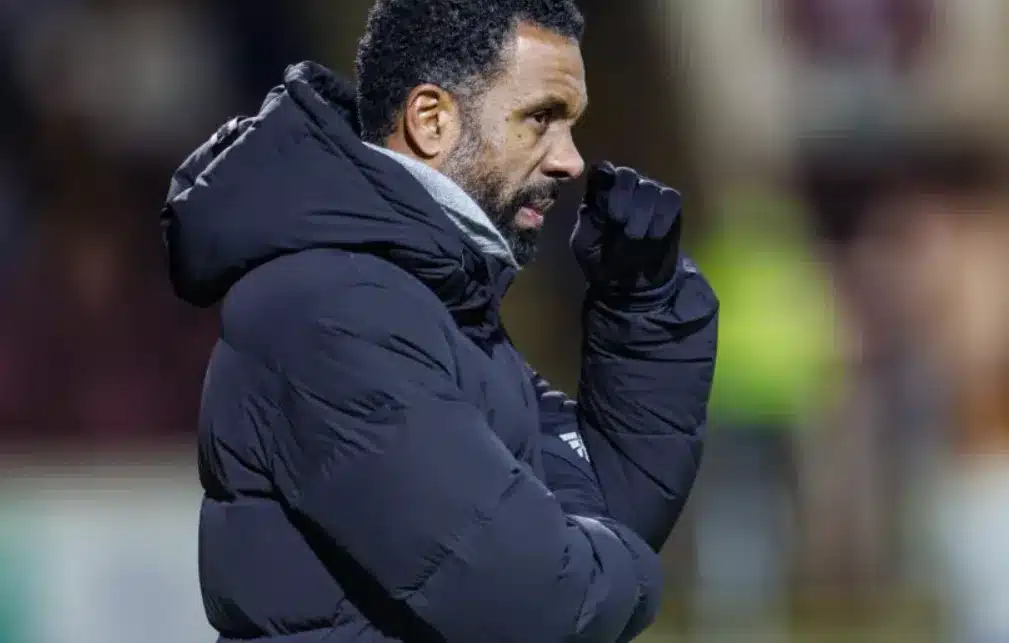
In a shocking turn of events that has sent ripples through the Scottish football landscape, Celtic Football Club has officially parted company with manager Wilfried Nancy after a mere 33 days in charge. The announcement, which came late Tuesday evening, marks one of the shortest managerial tenures in the club’s storied history and has left fans and pundits alike scrambling for answers. The abrupt dismissal of the French-born tactician raises serious questions about the decision-making processes at Celtic Park and what this means for the club’s immediate future.
The decision to relieve Nancy of his duties comes following a series of underwhelming performances in both domestic competitions and European qualifiers. While the club’s statement cited “differences in footballing philosophy” as the primary reason for the split, insiders suggest that tensions had been brewing since the early days of pre-season training. For a club of Celtic’s stature, accustomed to sustained success under previous regimes, this rapid change in leadership represents an unprecedented period of instability.
The Brief and Turbulent Reign of Wilfried Nancy
A Surprise Appointment That Raised Eyebrows
When Celtic announced Wilfried Nancy as their new manager during the summer window, many in the football community were taken aback. The 46-year-old coach arrived with a respectable reputation from his time in Major League Soccer with the Columbus Crew, where he had implemented an attractive, possession-based style of play. However, the jump from MLS to the pressure cooker of Scottish football, particularly at a club with Celtic’s expectations, was always going to be a significant challenge.
Nancy’s appointment was seen as a bold move by the Celtic board, who were looking to inject a more modern, data-driven approach into the club’s traditional setup. His playing philosophy, heavily influenced by the likes of Pep Guardiola and Marcelo Bielsa, emphasized high pressing, quick transitions, and building from the back. In theory, this seemed like an exciting evolution for the Hoops. In practice, it proved to be a recipe for disaster.
Early Warning Signs in Pre-Season
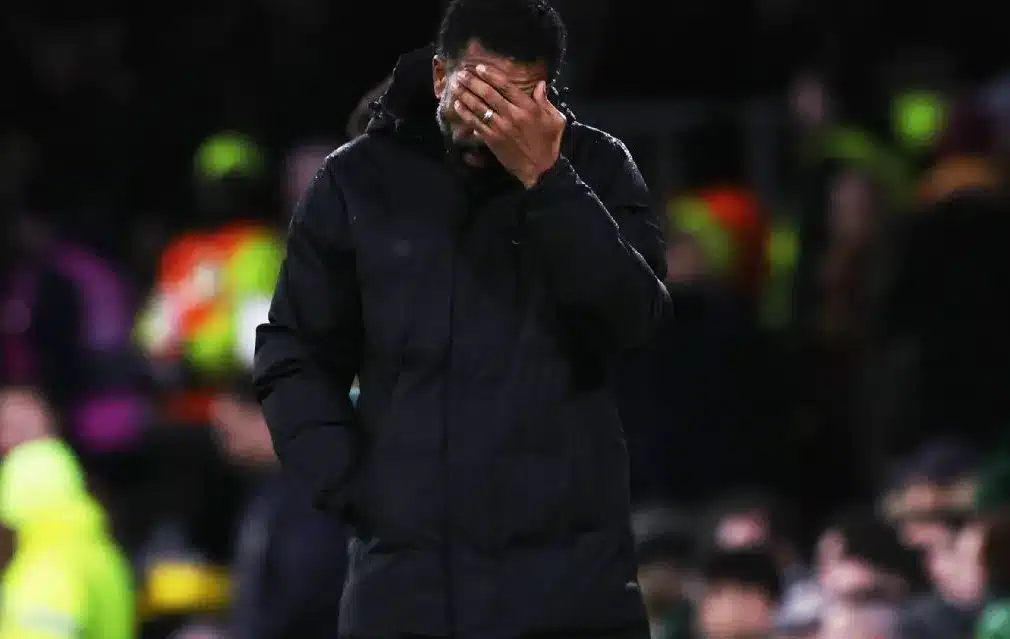
From the very first friendly matches, there were troubling indicators that Nancy’s methods were not resonating with the squad. Players who had thrived under the more direct, physical style of previous managers seemed lost in the complex positional rotations Nancy demanded. Sources close to the training ground revealed that several senior players expressed confusion over tactical instructions during closed-door sessions.
The pre-season tour of Portugal was particularly disastrous. A 4-1 defeat to a mid-tier Portuguese side exposed defensive frailties that Nancy’s high line could not mask. More concerning than the results, however, was the body language of the players. There was a visible disconnect between the manager’s instructions on the touchline and the execution on the pitch—a classic sign of a squad that had not bought into the new philosophy.
The Final Straw: European Disappointment and Domestic Struggles
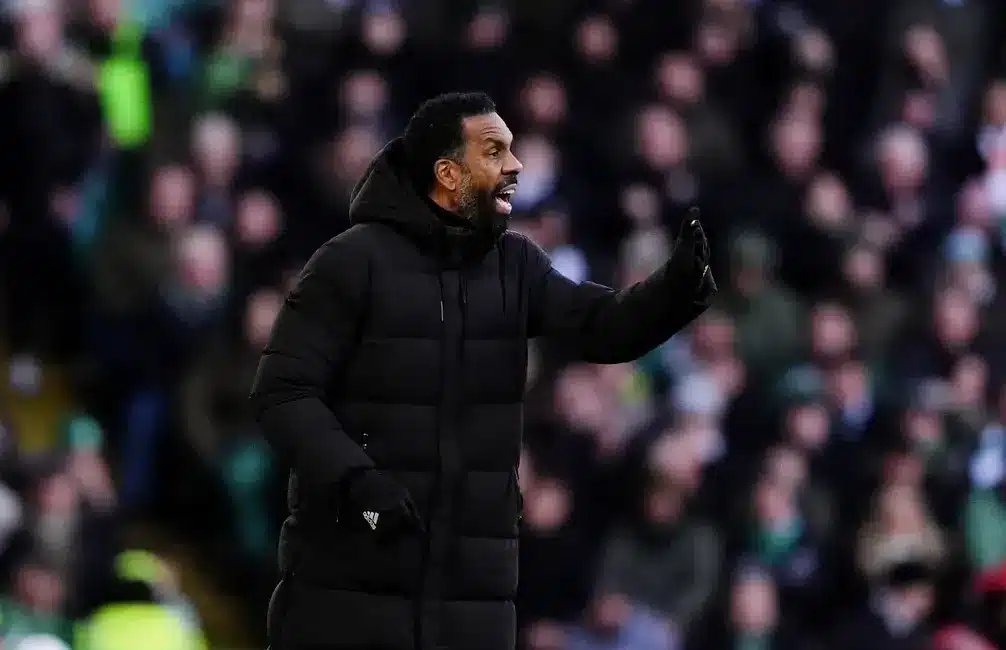
The 33-day timeline of Nancy‘s tenure included only three competitive matches, but those games painted a damning picture. The campaign began with a disappointing draw against a lower-league opponent in the Scottish League Cup, a result that immediately put the manager under scrutiny. The performance was lifeless, lacking the intensity and creativity that Celtic supporters have come to expect from their side.
However, it was the European qualifier that ultimately sealed Nancy’s fate. A 3-0 loss away from home against a relatively modest European opponent was not just a defeat; it was an embarrassment. Celtic were outrun, out-fought, and out-thought on the continental stage. For a club that prides itself on its European pedigree, this was unacceptable. Jeetbuzz sources confirmed that the board held an emergency meeting immediately following the match, and the decision was made to terminate the contract before any further damage could be done.
Analyzing the Root Causes of the Failure
Clash of Philosophies: Theory vs. Reality
One of the primary reasons for Nancy‘s swift departure was the fundamental clash between his tactical idealism and the pragmatic demands of Scottish football. The Scottish Premiership is known for its physicality, high tempo, and often unpredictable conditions. Nancy’s intricate build-up play requires time, precision, and patience—luxuries that are rarely afforded in a league where teams press relentlessly and the weather often makes slick passing difficult.
The Celtic squad, built for a more direct approach, simply did not possess the technical profile required to execute Nancy’s vision. Attempting to transform a team’s entire identity in a matter of weeks was always going to be a monumental task. The failure of the club’s recruitment team to back the manager with players suited to his system is a recurring criticism that has followed the Celtic board for years.
Player Unrest and Dressing Room Dynamics
Behind the scenes, reports emerged of growing unrest within the dressing room. Several key players felt that Nancy‘s training methods were overly complicated and failed to address the fundamental defensive issues that had plagued the team the previous season. The manager’s man-management style, described by insiders as “cold and distant,” did little to foster loyalty among a group of players accustomed to a more emotionally engaging leadership approach.
In modern football, a manager must be both a tactician and a psychologist. Nancy, by all accounts, excelled at the former but struggled significantly with the latter. When results started to turn sour, he had no reservoir of goodwill from his players to fall back on. This lack of connection is a death sentence for any manager in the high-pressure environment of a club like Celtic.
The Pressure Cooker of Celtic Park
Perhaps the most underestimated factor in Nancy’s downfall was the sheer weight of expectation that comes with managing Celtic. This is a club where winning is not an aspiration but a requirement. Every match is scrutinized, every tactical decision dissected, and every result measured against the relentless standards set by the club’s glorious past.
Nancy seemed unprepared for the intensity of the Glasgow media circus and the passionate demands of the Celtic fanbase. His post-match interviews often came across as defensive and evasive, failing to inspire confidence in a support base that was already skeptical of his appointment. In the court of public opinion, he was guilty before he had even taken his seat in the dugout.
What Comes Next for Celtic?
Immediate Implications and the Search for a Successor
The departure of Wilfried Nancy leaves Celtic in a precarious position. The season is already underway, and the club must now navigate a congested fixture schedule without a permanent manager at the helm. The board has appointed a caretaker coach from within the existing coaching staff to steady the ship, but this is clearly a short-term solution.
The search for a new manager is already underway, with several high-profile names being linked to the vacant position. The club must learn from the Nancy fiasco and prioritize candidates with experience in British football or similar competitive environments. The days of experimental appointments can no longer be afforded. Celtic needs a leader who understands the club’s culture and can hit the ground running.
Key Lessons for the Celtic Board
This entire episode serves as a damning indictment of Celtic’s recruitment strategy. The decision to hire Nancy appears to have been impulsive, driven by a desire to innovate without proper consideration of the practical realities. The board must take responsibility for failing to provide the new manager with adequate support in the transfer market and for rushing the appointment process.
Going forward, Jeetbuzz has learned that the club intends to overhaul its football operations structure, bringing in a Director of Football to ensure better alignment between the manager’s vision and the squad’s composition. This is a positive step, but it will take time to bear fruit. For now, the immediate priority is survival and stabilization.
The Reaction from the Celtic Faithful
The reaction from the Celtic fanbase has been one of frustration mixed with a sense of resignation. Many supporters saw the warning signs early and had expressed their concerns on social media and fan forums. The lack of patience from the board in backing the new manager for even a full transfer window is seen as a sign of panic rather than strategic thinking.
However, there is also a feeling of relief that the experiment was ended quickly rather than allowing it to drag the club into a more damaging crisis. The fans now turn their attention to the next appointment, hoping that the board has finally learned its lesson. The trust between the supporters and the management has been severely eroded, and rebuilding that relationship will require consistent, competent leadership.
Conclusion: Celtic Part Ways with Wilfried Nancy After Just 33 Days: What Went Wrong at Parkhead?
The brief and disastrous tenure of Wilfried Nancy at Celtic will go down as one of the most bizarre chapters in the club’s modern history. A manager who arrived with a promising reputation leaves with his credibility in tatters, while Celtic must pick up the pieces of a season that has barely begun but already feels lost. The failure was not solely Nancy’s; the club’s leadership must share the blame for a flawed recruitment process and a lack of strategic vision.
As Celtic now searches for a new direction, the lessons from this 33-day nightmare must be taken to heart. Football is not just about theory and data; it is about man-management, cultural fit, and the ability to handle immense pressure. The next appointment will be the most important in years for a club that cannot afford any more missteps.
What are your thoughts on this shocking managerial departure? Do you think Celtic made the right call, or should they have given Nancy more time? Share your opinions in the comments below, and don’t forget to explore our other articles for the latest in Scottish football analysis and breaking news. Your voice matters in this ongoing conversation about the future of one of football’s most iconic institutions.
