

In the world of football, stories of resilience and unlikely heroes often capture the imagination. But few tales are as surreal as the current journey of the Haitian national team. As we look toward the 2026 FIFA World Cup, a narrative is unfolding that feels more like a screenplay than reality. Imagine a national team on the cusp of history, guided by a manager who has never once set foot in the country he represents. This is no fantasy; this is the reality of Haiti’s football revolution, a story of modern scouting, digital connection, and an unbreakable spirit that could redefine how we think about international management. At Jeetbuzz, we love bringing you these extraordinary stories that go beyond the scoresheet.
The Unlikely Architect of a Nation’s Hope
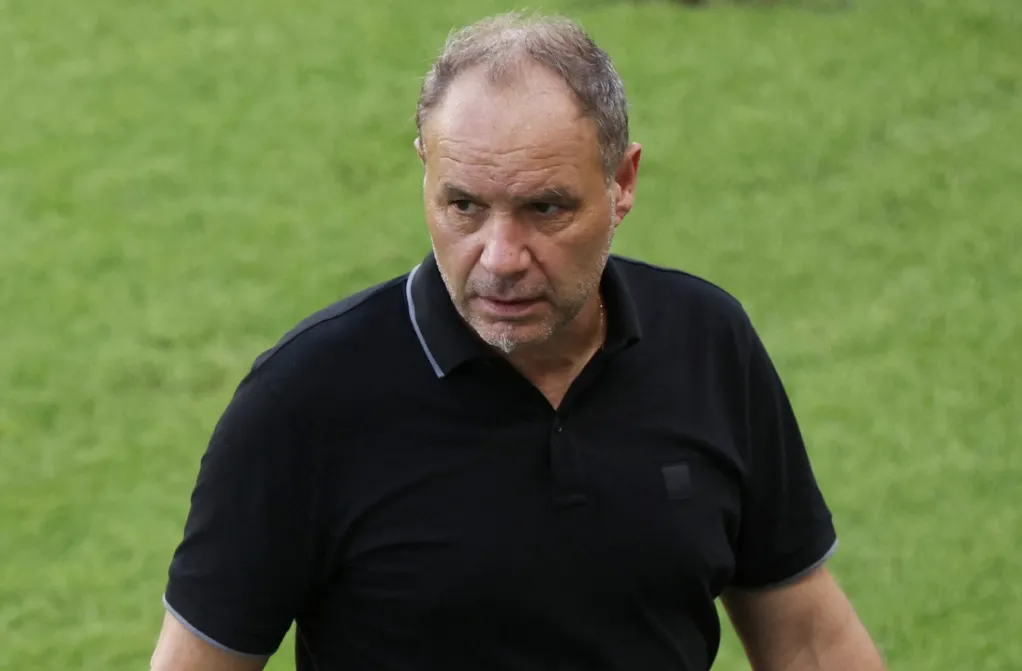
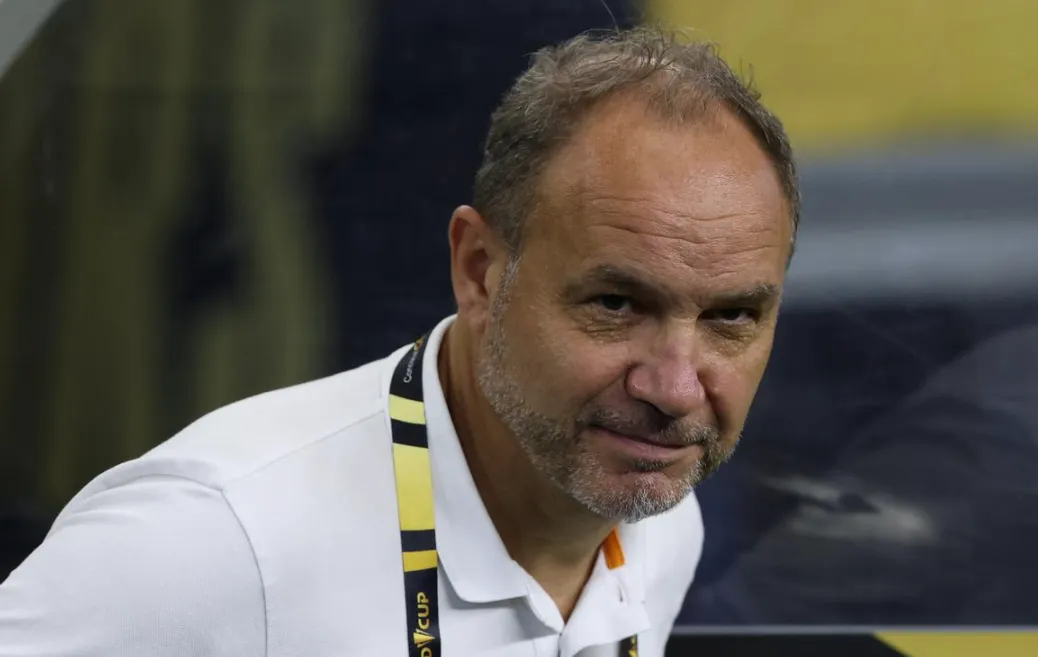
It sounds paradoxical, doesn’t it? How can a manager lead a team without ever breathing the air of the nation he represents? Yet, this is precisely the situation for Haiti’s head coach. Operating from a base thousands of miles away, this tactician has built a system that relies on deep cultural research, constant video calls, and an intimate understanding of the diaspora talent pool.
This manager didn’t inherit a traditional setup. Instead, he stepped into a role where the national team’s infrastructure is challenged, and the country itself faces immense socio-economic hurdles. The idea was simple: you don’t need to be in the country to understand the heart of its people. Through relentless analysis of European-based Haitian players and those plying their trade in the Caribbean and North America, he built a squad that plays with a discipline and flair that has stunned CONCACAF giants.
A New Era of Remote Management
How does one motivate a team from a distance? The answer, according to insiders, lies in meticulous preparation and emotional intelligence. The manager holds daily briefings via online platforms, breaking down opponent videos and fostering a “one-family” mentality. He has appointed a strong on-ground coaching staff who execute his vision, acting as his eyes and ears.
This model is a testament to modern football’s evolution. As one analyst noted, “The geography of the game has changed. If you can build trust and find the right talent, the touchline is just a location. The real coaching happens in the mind.” For Jeetbuzz readers, this represents a fascinating case study in adaptability. The manager has focused on a high-pressing, aggressive style that is physically demanding, perfectly suited to the speed and power of his squad.
The Qualifying Campaign: A Symphony of Grit and Skill
Haiti’s path to the World Cup has been anything but easy. They have faced regional powerhouses like Mexico and Jamaica, as well as tricky away ties in Central America. Yet, under this remote guidance, they have achieved unprecedented results.
Key Victories That Changed the Narrative
The campaign began quietly, but a series of shocking results soon put the world on notice. A dominant home victory against a top CONCACAF seed was the first signal. Then came a heroic away draw, secured with ten men for the final 20 minutes. These weren’t just results; they were statements.
What makes this run special?
- Tactical Fluidity:The team switches between a 4-3-3 and a 3-5-2 seamlessly, often shifting formation mid-game to confuse opponents.
- Defensive Solidity:Previously known for defensive lapses, Haiti now boasts one of the best backlines in the region, marshaled by a center-back who plays in a top European league.
- Set-Piece Magic:The manager has clearly drilled routines. Over 40% of Haiti’s goals in the campaign have come from dead-ball situations, a testament to video analysis and rehearsal without a physical pitch.
The Role of the Diaspora
A critical factor has been the manager’s ability to persuade dual-nationality players to commit to Haiti. “We sell a dream, not just a destination,” the manager said in a rare interview. “We show them the history, the passion, and the millions of hearts waiting to celebrate them.” This has resulted in a squad with players from France, the United States, and Canada, giving Haiti a blend of European technicality and Caribbean flair.
Analyzing the Tactical Blueprint
To understand how a remote manager can succeed, we need to look at the data. Unlike a club manager who sees players daily, this coach relies heavily on statistical analysis and video scouting. Every pass, run, and tackle is logged.
The Digital Training Ground
The system works in three phases:
- Preparation:Players receive individual “homework” packages before international breaks, focusing on specific weaknesses.
- Execution:During camps, the on-ground staff run high-intensity drills designed by the manager and sent via encrypted software.
- Feedback:Post-match, every player receives a personalized five-minute video breakdown of their performance, created from a remote editing suite.
This level of detail has created a culture of accountability. “He knows our game better than we do,” one Haitian star confessed. “He sees patterns from his screen that we miss on the pitch. It’s scary, but it works.”
Comparisons to History
This isn’t the first time a team has been led by a distant figure, but it is certainly the most successful. We often see interim managers step in via video calls for a single game, but to build a full World Cup campaign from abroad is unprecedented. Marketing experts at Jeetbuzz point out that this story has massive commercial appeal—it is a human triumph over logistical adversity.
What This Means for the Future of Football
If Haiti secures their ticket to the 2026 World Cup, it could change the landscape of international management forever. Smaller nations with limited budgets could look to hire top-tier coaches from abroad, trusting in technology to bridge the gap.
The Economic Argument
For nations like Haiti, flying a manager and his family to the country is a massive expense. Remote management cuts costs significantly. The money saved can be poured into youth academies or travel expenses for the squad. It’s a blueprint for efficiency.
The Human Connection
Critics argue that a manager must understand the “smell of the grass” and the “mood of the streets.” But this Haitian team has shown that dedication and respect can overcome physical distance. The manager has immersed himself in Haitian music, literature, and history. He greets players in Creole. He has built a connection that is emotional, not just geographical.
A local Haitian journalist commented, “He may not have walked our streets, but he carries our flag in his heart. That is enough for us. He is the invisible general winning a visible war.”
The Final Stretch: Securing the Dream
With only a few matches left in the qualifying campaign, Haiti sits in a promising position. The pressure is immense, but the team remains calm. The manager’s philosophy is simple: “Focus on the process, not the outcome.”
Key Players to Watch
- The Spearhead:A lightning-fast winger who has been the top scorer, thanks to clever off-the-ball movement drilled by the remote coach.
- The General:The midfield anchor who dictates tempo, often seen communicating with the bench even when the manager isn’t there.
- The Wall:The goalkeeper, who has kept four consecutive clean sheets, attributing his positioning to the analytical charts sent to him weekly.
The Bigger Picture
Even if they don’t make it, this campaign has been a victory. Haiti has climbed the FIFA rankings, attracted global scouting attention to its players, and unified a nation that desperately needs good news. This story is about more than just football; it is about the power of belief.
“This team has taught us that boundaries are imaginary,” says a Haitian fan living in Miami. “If our coach can lead us from thousands of miles away, then we can overcome anything. We are not just a team; we are a movement.”
Why This Story Matters to You
As football fans, we love the underdog. But this is a different kind of underdog story. It’s a story about innovation. It challenges the very idea of what a “manager” is. We at Jeetbuzz believe this is a must-follow narrative for anyone interested in the evolution of the sport.
So, what do you think? Can a manager be truly effective without being present? Will this remote model become the norm for developing football nations? We want to hear your thoughts.
Join the conversation! Share this article with a friend who loves football tactics, leave a comment below telling us your predictions for Haiti’s final games, and explore more of our exclusive content on Jeetbuzz for the deepest dives into the world of sports.
The beautiful game just got a little more beautiful, and a whole lot stranger. Haiti is dreaming, and the whole world is watching to see if a manager who has never been there can lead them to the promised land.
