
The beautiful game is undergoing a silent revolution, and it’s not happening on the pitch—it’s happening in boardrooms and ownership structures. The rise of multi-club ownership models, pioneered by giants like City Football Group (CFG) and Red Bull, is fundamentally altering how we understand club development, player transfers, and competitive balance in world football. At Jeetbuzz, we’ve been tracking these seismic shifts, and what we’re seeing is nothing short of a structural transformation that will define the sport for decades to come. Whether you’re a casual fan or a tactical enthusiast, understanding these models is crucial to grasping modern football’s political and economic landscape.
The Foundations of the Multi-Club Phenomenon
Multi-club ownership isn’t entirely new—historical examples exist in various sports—but its modern iteration is unprecedented in scale and sophistication. The core idea is simple: a single entity or corporation acquires multiple clubs across different leagues and continents, creating a network that shares resources, talent, and strategic direction.
The City Football Group Blueprint
City Football Group, the Abu Dhabi-backed conglomerate that owns Manchester City, represents the gold standard of this model. With stakes in clubs across eleven countries—including New York City FC, Melbourne City, Girona, Palermo, and Mumbai City—CFG has created what football analyst David Simmons calls “a global development pipeline that never sleeps.”
The financial logic is compelling. By controlling clubs in different regulatory environments, CFG can navigate Financial Fair Play restrictions more effectively. When Manchester City needed to balance their books, they could sell young talents to sister clubs at market rates, with those players continuing their development within the system. This creates a circular economy where money stays within the network while players gain valuable experience.

Red Bull’s Distinctive Approach
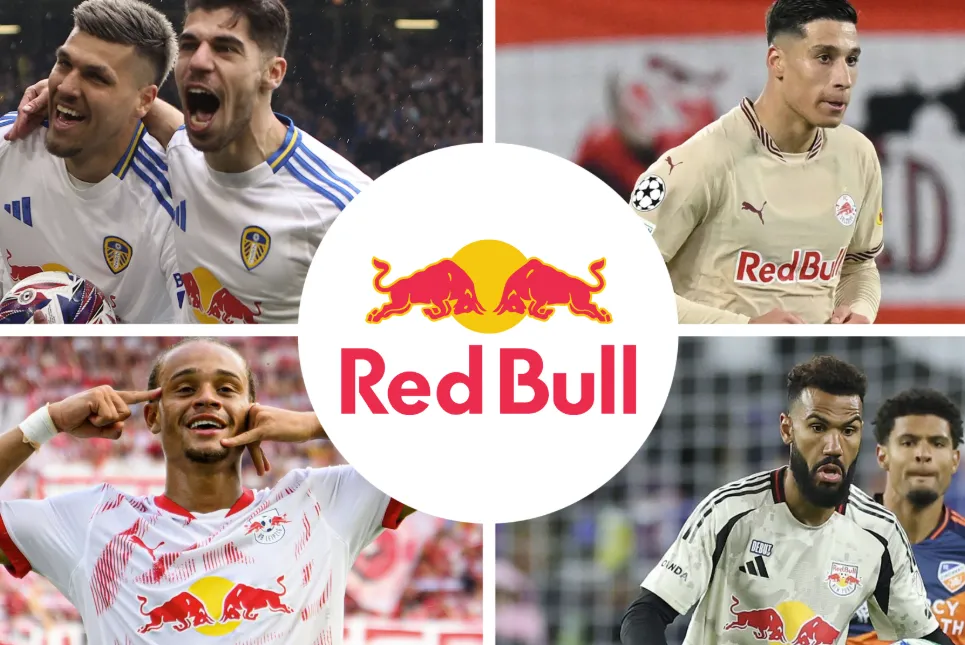
Red Bull’s model differs notably from CFG’s. Rather than acquiring existing historic clubs, the energy drink giant has typically built from scratch or rebranded. RB Leipzig, RB Salzburg, and New York Red Bulls share not just ownership but a unified playing philosophy centered on high pressing, youth development, and data-driven recruitment.
What makes Red Bull’s approach unique is their willingness to treat losing as data rather than failure. “They’ve institutionalized patience,” explains Dr. Marcus Weber, a sports economist at the University of Munich. “While traditional clubs panic after three consecutive losses, Red Bull views those matches as experiments. This philosophical consistency creates something rare in football: long-term strategic coherence.”
The Strategic Advantages That Drive Growth
Player Development and Loan Systems
One of the most significant benefits of multi-club networks is the sophisticated loan systems they enable. Instead of sending young talents to potentially unstable environments where development might stall, parent clubs can place players in controlled settings within the network.
For instance, when a promising 19-year-old at Manchester City isn’t ready for Premier League football, he might spend two seasons at Girona in La Liga, learning Spanish football’s tactical nuances while being monitored by City’s coaching staff. The data collected from these loan spells is standardized across the network, allowing for unprecedented performance tracking.
Navigating Regulatory Landscapes
The regulatory challenges facing multi-club ownership are significant. UEFA and various domestic leagues have rules preventing owners from controlling multiple clubs that might compete in the same competition. Smart structuring has become an art form.
CFG’s acquisition of Girona created a fascinating case study. When both Manchester City and Girona qualified for the Champions League, UEFA forced temporary structural changes, including placing governance in a blind trust. This demonstrated both the flexibility of the model and the growing tension between ownership structures and competition rules.
The Competitive Balance Debate
Creating Superclusters vs. Spreading Talent
Critics argue that multi-club models concentrate talent and resources in ways that distort domestic competitions. When RB Leipzig and Red Bull Salzburg both competed in the Champions League, questions arose about whether their shared ownership gave them unfair advantages in scouting markets and transfer negotiations.
However, supporters counter that these networks actually redistribute talent more efficiently. “Before CFG bought Mumbai City, Indian football had almost no players moving to European top leagues,” notes football journalist Priya Sharma. “Now, Indian players have clear pathways and developmental benchmarks. The flow isn’t just one way.”
The Financial Fair Play Paradox
Multi-club structures have created fascinating Financial Fair Play (FFP) workarounds that regulators are still struggling to address. Consider this scenario: Club A (owned by a multi-club group) sells a player to Club B (same group) for €20 million. The player was developed at Club A and is valued at €5 million. The €15 million profit helps Club A pass FFP requirements, while Club B gets a talented player at what might be considered a fair market price.
These transactions aren’t necessarily illegal, but they create a perception problem that undermines confidence in financial regulations. The challenge for governing bodies lies in distinguishing legitimate business transactions from attempts to circumvent rules.
Real-World Case Studies and Their Implications
The Girona Transformation
Girona’s evolution under CFG ownership provides a compelling narrative. Once a modest Catalan club struggling in the second division, Girona now competes in La Liga and challenges for European places. The influx of technical expertise, data analytics, and loaned talent from Manchester City transformed their fortunes.
Yet questions remain about identity. Long-time Girona supporter Carlos Martinez expresses mixed feelings: “We’re better than we’ve ever been, but sometimes I wonder if we’re still Girona or just Manchester City’s Spanish laboratory. The joy of local ownership is gone.”
Leipzig’s German Football Revolution
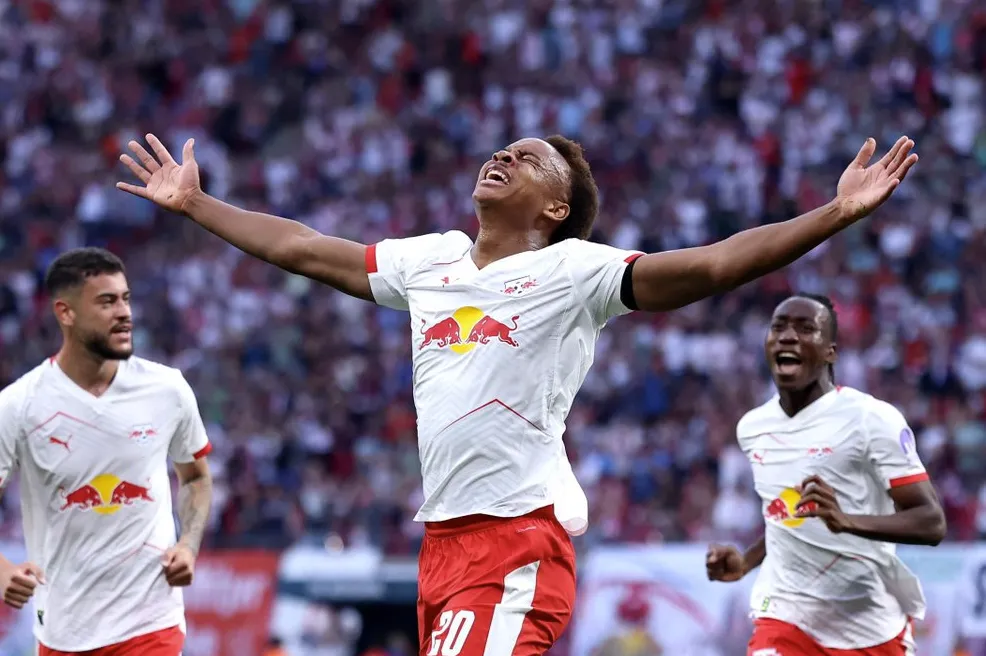
RB Leipzig’s rise through the German football pyramid generated enormous controversy. Traditional German clubs operate under the 50+1 rule, ensuring members retain majority control. Red Bull circumvented this by creating a separate membership structure, effectively maintaining control while technically complying with regulations.
The approach worked spectacularly on the pitch. Leipzig developed into a Bundesliga powerhouse and Champions League regular, proving that multi-club structures could achieve rapid success even in traditionally resistant environments.
The Regulatory Response and Future Outlook
UEFA’s Evolving Stance
European football’s governing body has been playing catch-up with multi-club ownership. Their current regulations focus on preventing linked clubs from competing in the same tournament, but enforcement remains challenging. The increasing sophistication of ownership structures means that identifying genuine independence from strategic coordination grows more difficult each season.
Sports lawyer Elena Vasquez believes the solution lies in transparency: “Rather than preventing multi-club ownership outright, regulators should focus on mandatory disclosure of all relationships and transactions within networks. Sunlight is the best disinfectant.”
Predicted Trends for the Next Decade
Industry experts expect continued growth in multi-club models, with three emerging patterns:
First, geographic diversification will increase. Networks currently concentrated in Europe and the Americas will likely expand into African and Asian markets, targeting regions with growing football economies and young populations.
Second, collaborative scouting networks will become more sophisticated. Shared databases tracking millions of players across continents will give multi-club groups information advantages that single-club operations cannot match.
Third, regulatory challenges will intensify. The coming years will likely see legal battles that define the boundaries of acceptable multi-club ownership, potentially reshaping football’s governance forever.
Conclusion: Jeetbuzz’s Perspective on Multi-Club Ownership’s Future
The multi-club ownership revolution represents both the promise and peril of modern football’s financial evolution. Jeetbuzz recognizes that these structures offer undeniable efficiencies in player development, talent distribution, and commercial optimization. They create opportunities for players in developing markets, provide stable environments for young talents, and enable ambitious clubs to compete with traditional powerhouses.
Yet the challenges are equally significant. Questions of competitive integrity, club identity, and regulatory fairness demand serious attention. The sport must find a balance between innovation and tradition, between global efficiency and local authenticity.
As you follow football’s evolution, we invite you to share your thoughts. Do multi-club networks represent the sport’s future, or do they risk homogenizing what makes football special? Leave your comments below, share this analysis with fellow football enthusiasts, and explore more in-depth coverage across our platform. The conversation about football’s ownership future is just beginning, and your perspective matters. Join us at Jeetbuzz as we continue tracking this fascinating transformation of the world’s most beautiful game.
