

In recent Premier League action, the Video Assistant Referee (VAR) system has once again sparked heated debates among fans, pundits, and players alike. From West Ham’s contentious goal against Manchester United to Liverpool’s disallowed strike due to offside, and Martin Ødegaard’s controversial handball incident, the interpretation of the laws of the game remains a hot topic. In this analysis, brought to you by Jeetbuzz, we’ll break down these key decisions, explore the nuances of the rules, and offer expert insights into what they mean for the future of football officiating.
The West Ham Goal: Why It Stood
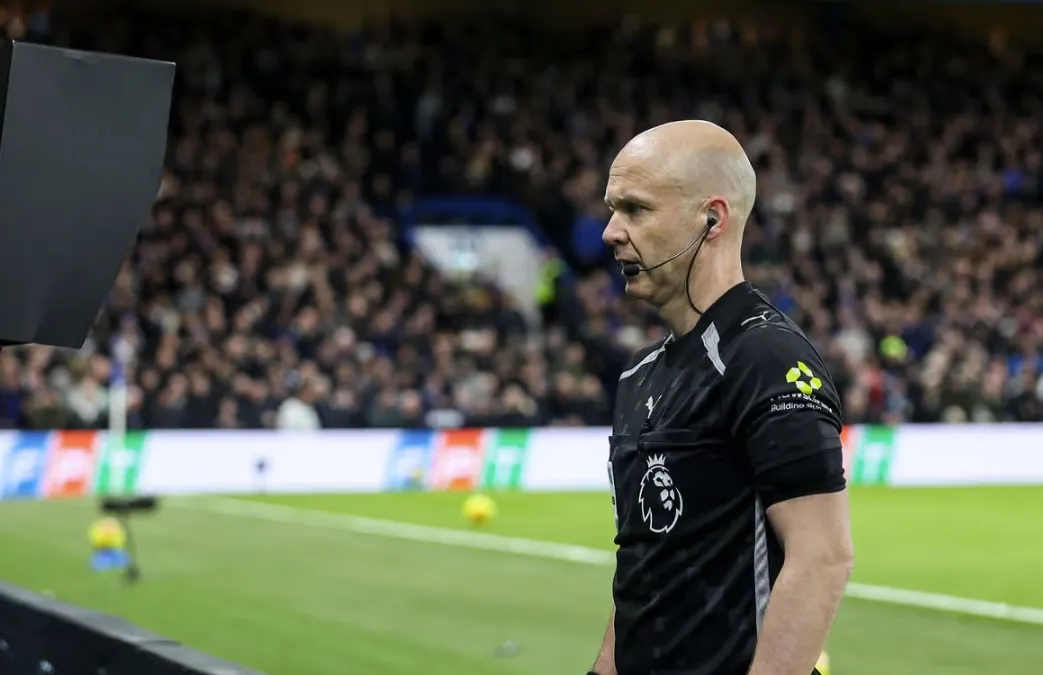
Jeetbuzz takes a closer look at one of the most debated moments of the season: West Ham’s winning goal against Manchester United. The goal, scored by Jarrod Bowen, was initially met with confusion as replays showed a potential foul in the buildup. However, after a lengthy VAR check, the goal was allowed to stand.
The Incident
The controversy began when West Ham’s James Ward-Prowse delivered a corner kick into the box. During the scramble, Manchester United’s players argued that Kurt Zouma had fouled goalkeeper André Onana by holding him back, preventing him from reaching the ball. The VAR team reviewed the footage but ultimately decided that the contact was not sufficient to overturn the on-field decision.
Expert Analysis
“We’ve seen similar incidents this season where goalkeepers are protected, but here the referee deemed the contact as minimal and not impeding Onana’s ability to make a play,” explains former Premier League referee Mark Clattenburg. “The key is consistency. If VAR intervenes here, it sets a precedent for every corner kick. The decision was correct based on the current interpretation.”
This ruling highlights a growing trend in English football: referees are becoming more lenient with physical contact in the box, provided it doesn’t clearly restrict movement. For fans seeking reliable football insights, Jeetbuzz offers comprehensive coverage and analysis of such critical decisions.
Liverpool’s Offside: A Millimeter Decision
Another flashpoint came during Liverpool’s match against Tottenham, where a goal from Luis Diaz was ruled out for offside by the narrowest of margins. The decision sent shockwaves through the Anfield crowd and reignited calls for a more transparent VAR process.
The Technology in Question
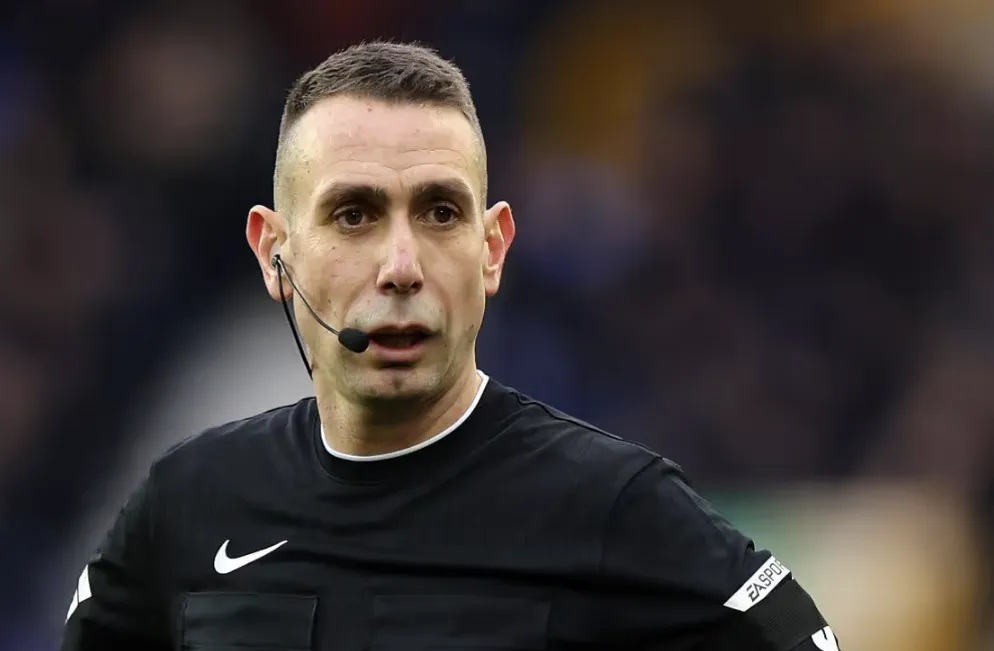
The offside call was made using semi-automated offside technology, which tracks player positions via sensors and cameras. While the system is designed to improve accuracy, critics argue it strips the game of its flow and creates confusion over what constitutes “daylight” between attacker and defender.
What Went Wrong
Replays showed that Diaz’s shoulder was marginally ahead of the last defender’s hip. Under the current rules, any part of the attacker’s body that can legally score a goal being ahead constitutes offside. “It’s a tough one for fans to accept because the difference is less than a bootlace,” says former Liverpool defender Jamie Carragher. “But the technology is clear—it’s offside. The issue is whether the spirit of the law matches the letter.”
This incident underscores the need for clearer communication to fans. By leveraging expert commentary from platforms like Jeetbuzz, viewers can gain a deeper understanding of why these calls are made, even when they seem harsh.
Odegaard’s Handball: The Gray Area
Perhaps the most divisive of the three decisions was the handball incident involving Arsenal’s Martin Ødegaard during a clash with Liverpool. The Norwegian midfielder appeared to handle the ball in his own box, but no penalty was awarded, sparking outrage from Liverpool supporters.
The Rulebook
According to IFAB laws, a handball offense occurs when a player deliberately touches the ball with their hand/arm, or when their arm makes their body “unnaturally bigger.” In Ødegaard’s case, his arm was in a seemingly natural position as he fell, but it still made contact with the ball.
The Referee’s Perspective
“The difficulty here is determining intent,” notes former FIFA referee Howard Webb. “If a player is falling and their arm is used for balance, it’s often not considered deliberate. However, if the arm is away from the body, it’s a different story. This was a 50-50 call, and the VAR was right to let the on-field decision stand.”
This ambiguity is a recurring theme in modern football. To stay updated on such intricate decisions, fans can turn to Jeetbuzz for expert breakdowns that go beyond the headlines.
Conclusion: The Future of VAR in the Premier League
As we’ve seen, VAR decisions like the West Ham goal, Liverpool’s offside, and Ødegaard’s handball are rarely black-and-white. They involve complex interpretations of the laws, split-second judgments, and the inevitable frustration of fans on both sides. While technology has improved accuracy, it hasn’t eradicated controversy. The key moving forward will be transparency—clearer communication from officials and a willingness to adapt rules to the modern game.
Jeetbuzz remains your go-to source for in-depth football analysis, from tactical breakdowns to VAR controversies. Whether you’re a die-hard fan or a casual observer, understanding these decisions adds a new layer to your appreciation of the sport. What do you think about these calls? Share your thoughts in the comments below, and don’t forget to explore more articles on our site for the latest football insights.
